The software utility landscape is undergoing a quiet but profound transformation. From system updates that learn to prevent trouble, to historic editor ports overcoming trademark disputes, to Mac applications reinventing the screen notch, the tech ecosystem of mid-2026 offers increasingly intelligent and proactive solutions. Three developments deserve a deep dive: Microsoft's new Windows Update feature for automatic driver rollback, the rebranding of the Notepad++ Mac port to Nextpad++ after a dispute, and the launch of Bartender Pro with its revolutionary Top Shelf integrated into the MacBook notch.
Driver Recovery Automatics: Microsoft Learns to Prevent Problems
Microsoft has announced a significant Windows Update improvement that will automatically revert problematic drivers. This initiative aims to reduce crashes and malfunctions caused by faulty driver updates by introducing an automatic rollback mechanism. When a driver downloaded via Windows Update causes instability, the operating system will detect the anomaly and revert to the previous version without manual intervention. This proactive approach is a massive leap forward from the past, when users had to boot into safe mode or navigate complex recovery screens. The move is particularly relevant in an era where the AI hardware race drives frequent updates for GPUs and dedicated chips, as highlighted in our article AI Hardware Race Intensifies: Billions in Funding, Chip Politics, and Smart Glasses. The implementation leverages machine learning algorithms to identify common error patterns, reducing the burden on IT technicians and improving the experience for millions of home and enterprise users.
The Nextpad++ Saga: From Trademark Row to Independent Port
Switching to the Mac world, a story that began with controversy has ended with a rebrand and greater clarity. The unauthorized port of Notepad++ for macOS, released by Andrey Letov, has been renamed Nextpad++ after a dispute with original creator Don Ho. Ho, who developed Notepad++ in 2003, challenged the use of his trademark and the inclusion of his name and biography on the author page. The resolution was amicable: the app is now called Nextpad++ and the updated website clearly states it is an "open-source and independent community port of Notepad++ to macOS." Letov describes the project as built on Objective-C++, Scintilla, and Cocoa, shipped as a universal binary for Apple Silicon and Intel Macs. An interesting detail is the criticism from John Gruber of Daring Fireball, who called the app "unholy" and suggested the extremely rapid port (development started on March 10) was built using AI vibe-coding tools. This controversy touches a raw nerve in the debate about using artificial intelligence to generate code, a theme we explored in Apple's Privacy Stance, Curved iPhone Roadmap, and Maps Ads: The 2026 Strategy. While AI accelerates development, it raises questions about quality and originality. Nextpad++ is now available and offers a solid alternative for those seeking a lightweight text editor on Mac.
Bartender Pro: The MacBook Notch Becomes a Command Center
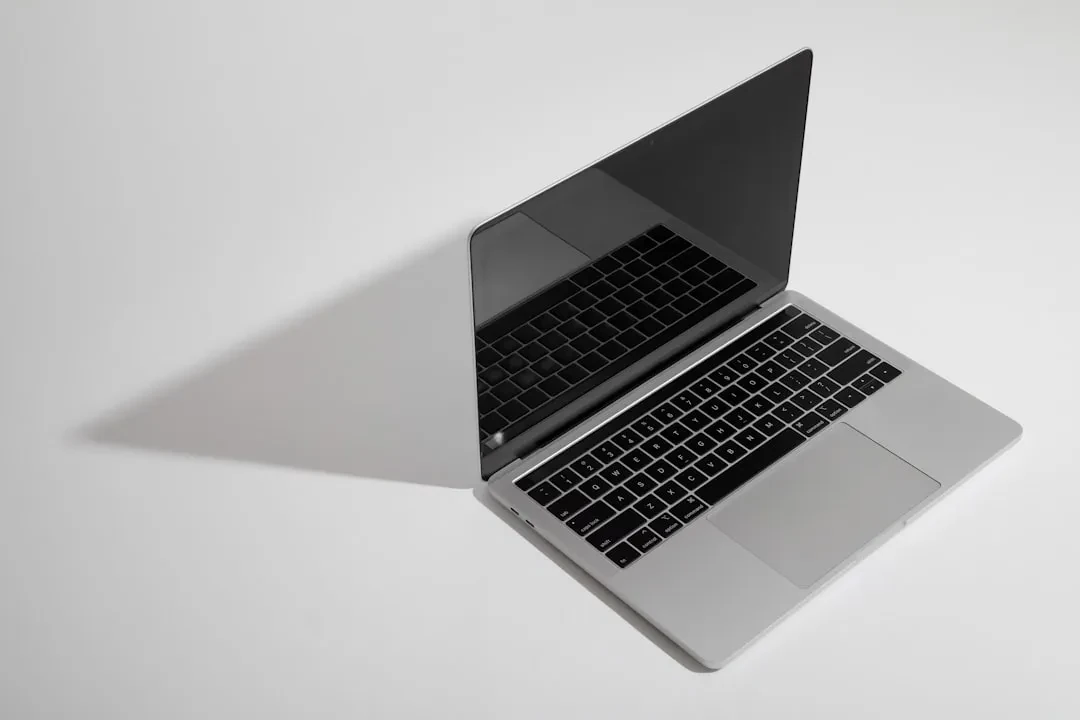
Finally, the well-known menu bar manager Bartender has evolved into Bartender Pro, introducing the Top Shelf feature. This turns the notch on recent MacBooks into a sort of Dynamic Island similar to the iPhone. By dragging files onto the notch, users can temporarily store them or send them via AirDrop. The integrated clipboard automatically captures copied content, with options to ignore passwords and customizable durations. Top Shelf also offers widgets for calendar, weather, music controls for Apple Music and Spotify, and a full Now Playing section. Additionally, it supports Live Activity-style tracking for AI agents such as Codex and Claude Code, showing execution status. The subscription costs $15 per year and includes all Bartender 6 features plus the new tool set. Surtees Studios' approach — offering an optional subscription alongside a $20 perpetual license — demonstrates a flexible monetization strategy. Top Shelf also works on Macs without a notch but is clearly designed to make the most of screen space. For a broader look at the Apple ecosystem, see our analysis on Apple Balances AI Agent App Store with Google EU Defense.
These three innovations — from Windows automatic driver rollback, to the rebranded Notepad++ Mac port, to the reinvention of the notch with Bartender Pro — show how utility software is becoming increasingly reactive and integrated into daily experience. Microsoft focuses on prevention, the open-source community renews itself amidst controversy and creativity, and Mac developers find ingenious ways to valorize even the most discussed hardware details. The future is made of small revolutions that silently improve our productivity. For a broader industry perspective, consult the Wikipedia page for Notepad++ to understand the roots of this historic editor.
Sponsored Protocol