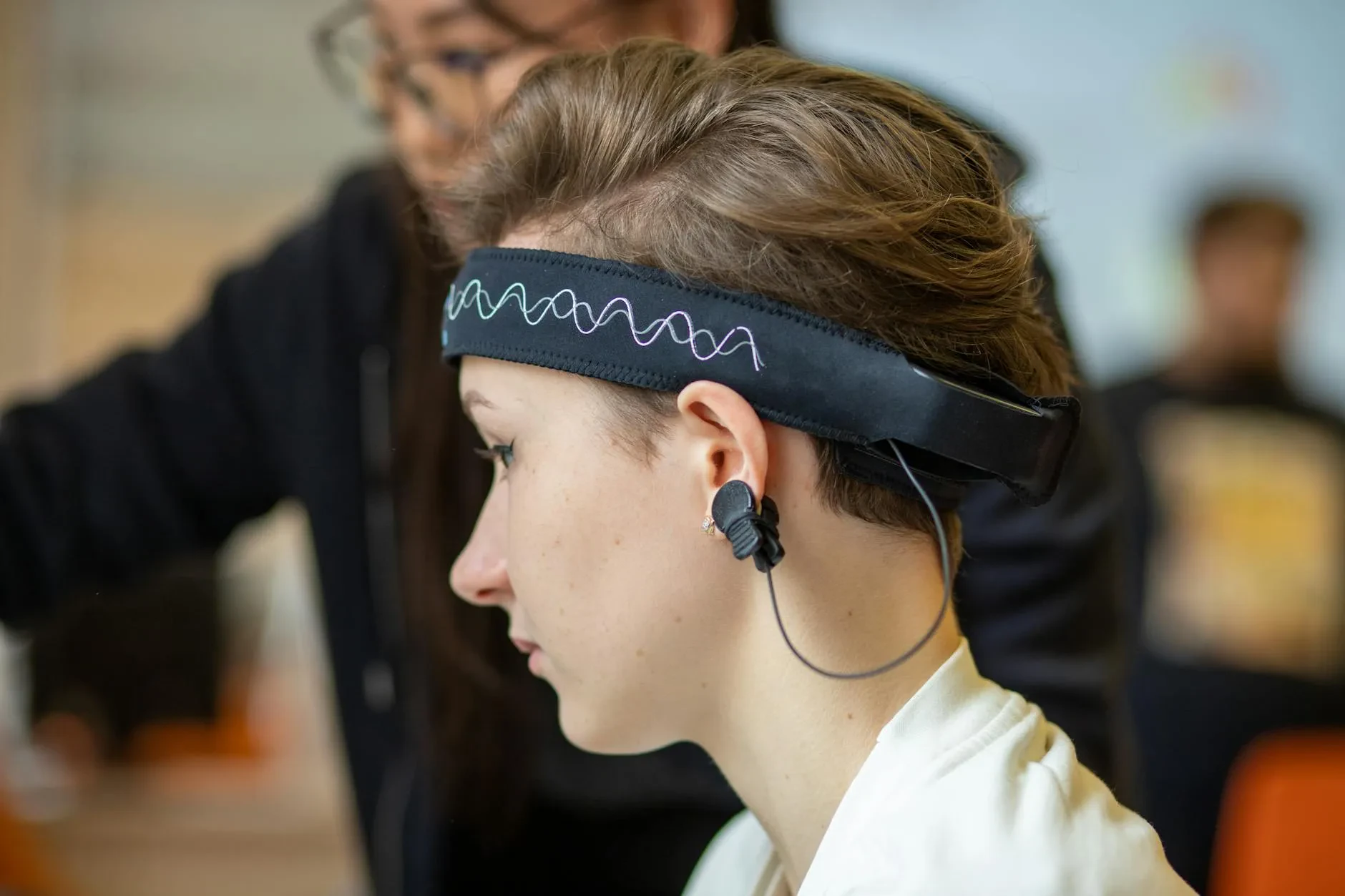
Neurable: Pioneering Brain-Computer Interfaces for the Consumer Market
BCI startup Neurable is breaking new ground in the field of brain-computer interfaces (BCIs), aiming to make its advanced "mind-reading" technology accessible to the consumer wearable device market. Specializing in non-invasive neural data collection, Neurable is targeting a future where our interaction with technology is driven by our thoughts, opening up application scenarios previously confined to science fiction. Founded on a solid scientific basis, the company seeks to bridge the gap between cutting-edge BCI research and the practical needs of the average user, democratizing access to more intuitive and personalized device control.
From Academic Research to Commercial Application: Neurable's Journey
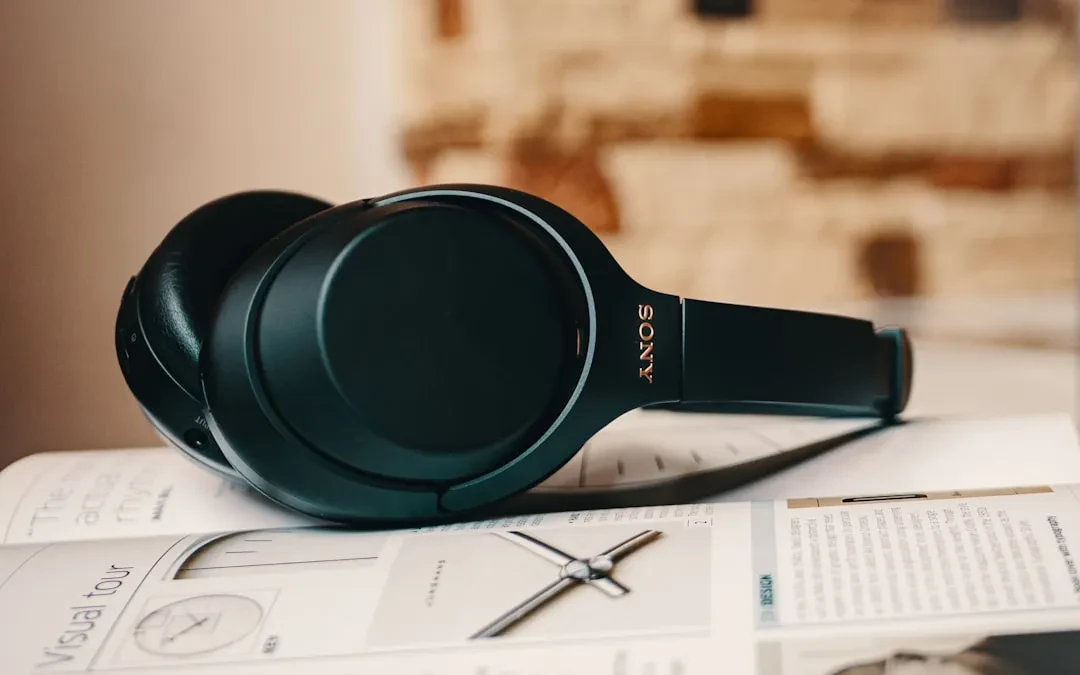
Neurable's trajectory is emblematic of the transformation of BCI technology from a predominantly academic and clinical domain to a sector with immense commercial potential. Their innovation lies in the development of sophisticated algorithms capable of interpreting neural signals with a high degree of accuracy, all through non-invasive methods, such as the use of electroencephalography (EEG) integrated into headphones or other wearable devices. This approach minimizes adoption barriers, avoiding the need for surgical procedures or cumbersome equipment. Neurable's CEO has expressed considerable optimism about the myriad consumer applications this technology could enable, from interactive entertainment and enhanced productivity to new forms of accessibility for individuals with motor disabilities.
The Revolutionary Potential of "Mind-Reading" Technology
The term "mind-reading" might evoke futuristic imagery, but in Neurable's context, it translates to an advanced system for decoding specific neural patterns. These patterns can be associated with intentions, emotional states, or even specific commands the user wishes to issue. The goal is not to read complex or private thoughts, but rather to capture neural signals that can be translated into concrete actions within the digital realm. Imagine being able to control a video game with your concentration, adjust smart home device settings with a thought, or navigate a user interface without touching any screen. These are just a few of the possibilities Neurable intends to explore with its licensing model.
Technological Challenges and Market Opportunities
Despite advancements, BCI technology still faces significant challenges, including the variability of brain signals among individuals and over time, the need for an intuitive user interface for training and calibration, and ensuring the privacy and security of collected neural data. Neurable appears aware of these challenges and is working to develop robust and user-friendly solutions. The licensing model is a strategic move to accelerate adoption, allowing established wearable device manufacturers to integrate Neurable's technology into their products, leveraging their existing manufacturing and distribution infrastructure. This collaborative approach could lead to the rapid proliferation of wearables with advanced BCI capabilities, further democratizing access to this transformative technology.
The Future of Human-Machine Interaction According to Neurable
Neurable's vision extends beyond mere device control. The company envisions a future where BCI technology can enhance personal well-being, provide real-time feedback on cognitive performance during complex tasks, or even facilitate new forms of communication and social interaction. The ability to understand and respond to a user's neural signals non-invasively opens the door to more natural, immersive, and personalized digital experiences. With its licensing strategy, Neurable positions itself as a key enabler for this revolution, allowing a wide range of industry partners to create the next generation of intelligent wearable devices, guided directly by the human mind.
Sponsored Protocol