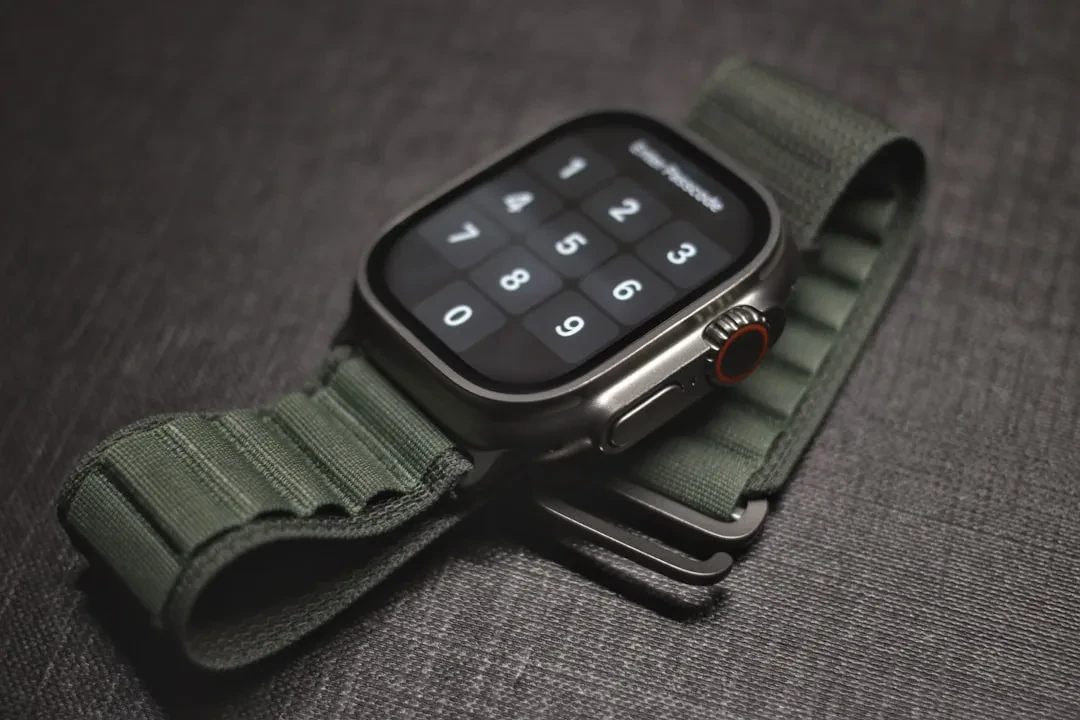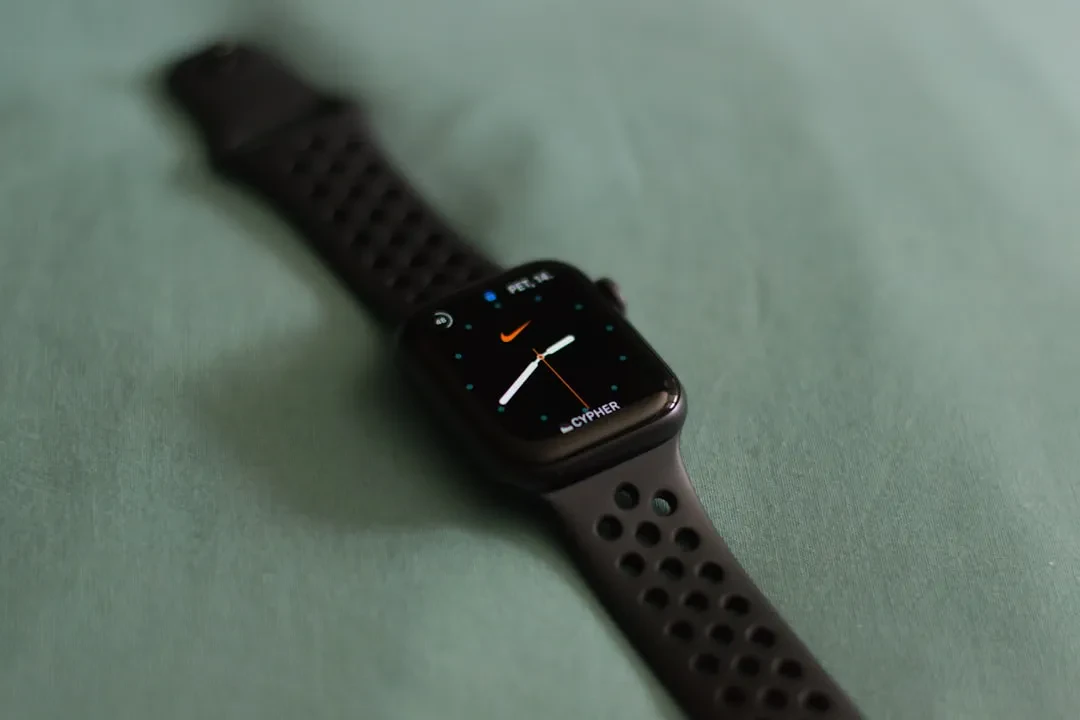
In the ever-evolving tech landscape, groundbreaking news emerges from Apple's legal front. The Cupertino giant has secured a significant victory, allowing it to sidestep a second import ban for its redesigned smartwatches. The US International Trade Commission (ITC) has issued a ruling that quashes the request for a new block, permitting Apple to continue selling its devices featuring updated blood-oxygen monitoring technology.
A Pivotal Legal Turnaround
This situation stems from a prolonged legal dispute with Masimo, a prominent medical technology company, concerning alleged patent infringements. Initially, the ITC had ruled in favor of Masimo, leading to an import ban that compelled Apple to revise its smartwatch functionalities. However, Apple responded by redesigning the technology in question. The recent ITC decision, building upon a preliminary ruling from March, has determined that Apple's redesigned smartwatches do not infringe on Masimo's patents. This verdict offers a substantial relief for Apple, which thanked the ITC and accused Masimo of pursuing a 'relentless legal campaign' against it, with most of its claims being rejected.
Strategic Implications and the Future
This ruling could bring some much-needed closure to the long-standing legal feud between the two companies. The patent battle dates back to 2021 when Masimo filed its initial complaint. Despite the legal win concerning the oxygen monitoring technology, Masimo was not satisfied and sought a new ban on the updated models. Now, with the ITC's decision, Masimo retains the option to appeal to the US Court of Appeals for the Federal Circuit, but the current outcome strongly favors Apple. It's noteworthy that this is not the only legal battle. In a separate case, a federal jury recently sided with Masimo, ordering Apple to pay $634 million for another patent infringement. This complex legal environment underscores the critical importance of intellectual property protection in the tech sector and the strategies large corporations employ to safeguard their products. These strategies sometimes involve exploring new horizons like the smart glass technology Apple is investigating, while also navigating challenges in other areas such as the production of Mac computers.
Apple's ability to innovate rapidly, as demonstrated by the redesign of its smartwatch features, is a cornerstone of its market dominance. This case also highlights the hurdles companies face in navigating the intricate world of regulations and patents. Such challenges are also evident in areas like online security, where threats like DDoS attacks can disrupt services, or in software vulnerabilities within operating systems like Windows that are exploited by cybercriminals.
Sponsored Protocol