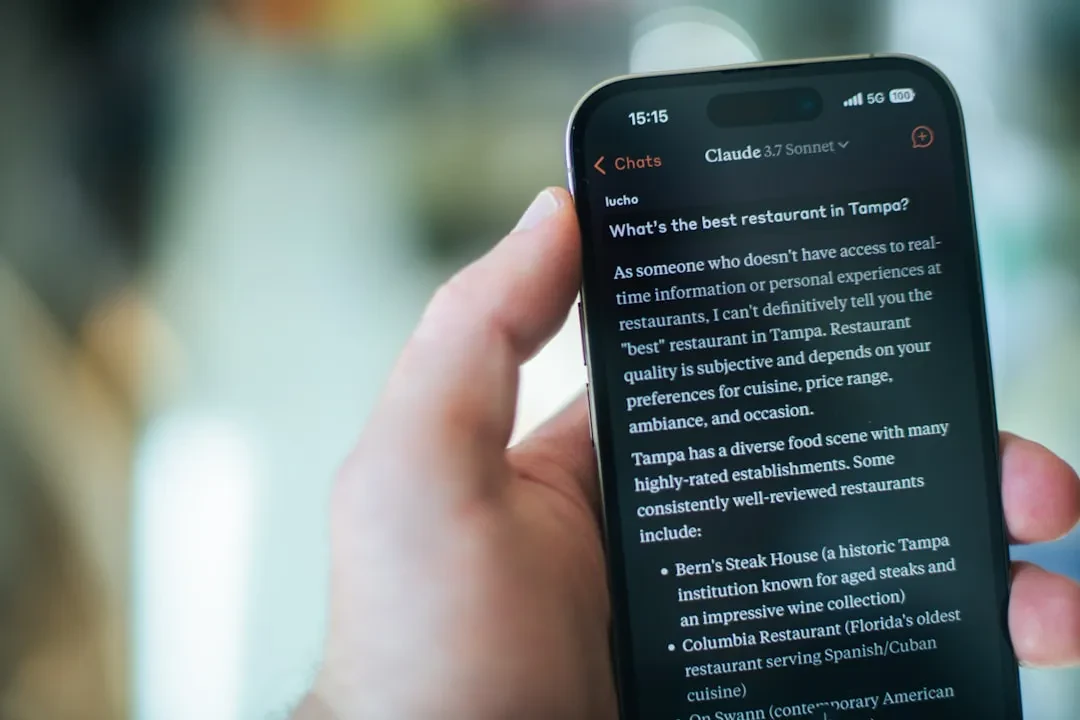
Anthropic, on the cusp of its IPO, dropped a bombshell: 80% of the production code merged in May 2026 was authored autonomously by its own AI model, Claude. This represents an 8x increase in code shipped per engineer per quarter compared to the 2021-2025 baseline. The milestone redefines what's possible in software development and sends a clear signal to enterprises worldwide. Meanwhile, Mira Murati steps carefully back into the spotlight, and Canada announces a controversial national AI strategy.
Why It Matters
Anthropic's annualized revenue hit $47 billion, showcasing explosive growth. Meanwhile, OpenAI improved ChatGPT's memory, and Airbnb CEO Brian Chesky announced a new AI lab. These developments underscore an industry-wide acceleration toward AI-driven operations. But the most disruptive event is Anthropic's internal shift from human-centric coding to autonomous AI agents writing the majority of production code. This is not a lab experiment: it's a new competitive baseline.
Concrete Implications
For enterprise technical leaders, the path forward requires abandoning the "developer assistant" model and embracing an "automated factory" architecture. Human engineers must become system architects and reviewers. Code review becomes the critical bottleneck, demanding automated AI reviewers embedded in CI/CD pipelines. Anthropic's Claude Code Review caught one-third of historical bugs. Additionally, autonomous agents can tackle technical debt at scale: one engineer used Claude to ship 800 fixes, reducing error rates by 1000x. The cultural impact is equally profound. Developers experience anxiety as their primary skill is automated. Enterprises must invest in retraining and mental health support. To learn about agile development practices, check our guide on TDD in Practice. For infrastructure optimization, see Optimized Dockerfile. External source: VentureBeat.
Sponsored Protocol