Unconverted traffic is the silent, massive waste of digital marketing. People who visit the site, look at products, fill carts, and then disappear.
Remarketing was born precisely for this: to bring back already interested users and turn visits into measurable conversions.
What is remarketing in digital marketing
Remarketing refers to the set of strategies that allow you to
re-engage users who have already come into contact with a brand. You don't start from scratch; you work with people who have visited the site, interacted with an app, opened an email, or watched a video. The logic is simple: turn a first contact into a deeper relationship and, ideally, into a sale.
In
Google Ads terminology, remarketing specifically refers to using user lists to show ads on the Display Network, Search Network, YouTube, and other channels. Other platforms use similar labels, but the basic principle remains the same: work on those who have already shown concrete interest.
How remarketing works with tags, lists, and segments
From a technical standpoint, remarketing relies on three key pieces: tags, lists, and segments. A
tracking tag placed on the site or in the app records user actions. This information is sent to advertising platforms, which build
audience lists based on behavior. At that point, the marketer defines targeted
segments and links them to specific campaigns.
Those who viewed a product page, those who spent a certain amount of time in a section, those who abandoned a cart, those who completed a purchase, those who haven't returned for months. Each group can receive different messages. The official guides for Google Ads and Google Analytics explain in detail how to define these audiences and link them to various campaigns
remarketing with Google Analytics.
Remarketing on Google Ads, social media, and email
Remarketing is not tied to a single channel. On
Google Ads, lists can fuel Display campaigns, ads on the Search Network, videos on YouTube, and even Discovery formats. On
Meta, you work with Custom Audiences built from pixels, Conversion API, and interactions with pages, apps, and content
Custom Audiences.
Then there is remarketing via
email and marketing automation. Those who subscribe to a newsletter or leave their email in a form can receive communication flows designed to guide them from an initial evaluation phase to a decision. Automation platforms allow you to create scenarios based on behavior—for example, sending a reminder to those who don't complete registration or proposing in-depth content to those who clicked on a certain topic.
Dynamic remarketing and tailored messages
A further step is
dynamic remarketing. Instead of showing generic ads, the platform generates personalized creatives by pulling from a product feed or catalog. The user sees in subsequent ads exactly the items they viewed on the site, perhaps alongside related suggestions. Google Ads guides on dynamic remarketing explain how to link feeds, tags, and creatives to achieve this effect
dynamic remarketing.
For e-commerce, this approach is often the difference between campaigns that generate volume and campaigns that generate margins. The ad becomes a concrete reminder, not a generic "come back and visit us." Work on social media and email also moves in this direction, suggesting content and offers based on what the person has already done or seen.
Time windows, frequency, and saturation
Remarketing is effective when it respects two variables: time and measure.
Time windows define how long a user remains in a list after performing an action. A cart abandoned a few hours ago is not the same as one forgotten a month ago. Similarly, someone who recently purchased should not immediately see ads pushing them to do the same thing.
Frequency is the other critical point. Seeing an ad a few times can help with recall. Seeing it in every ad space becomes digital stalking. Platform tools allow you to set limits on daily and weekly impressions. Ignoring these controls quickly leads to saturation, annoyance, and a deterioration of brand perception.
Remarketing, the funnel, and conversion measurement
Remarketing performs best when integrated into a
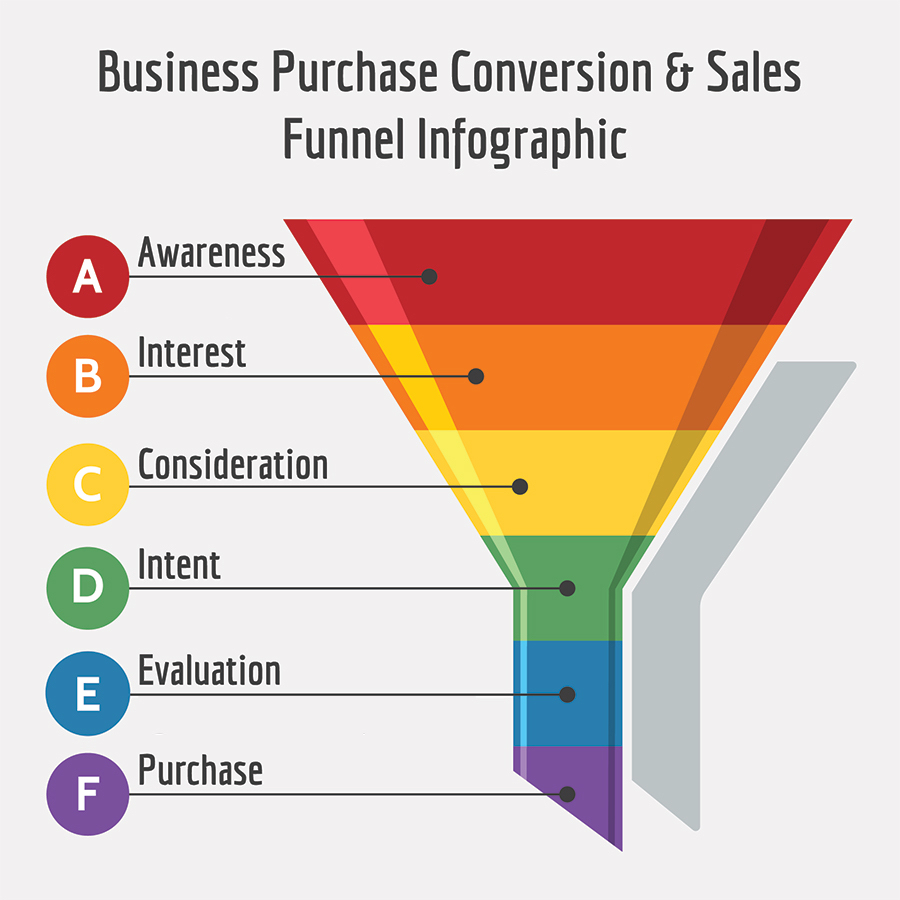
funnel vision. It's not about bombarding with ads anyone who has touched the site, but about building sequences coherent with the different stages of the journey. Awareness, consideration, decision, post-sale. Each phase has different messages, offers, and calls to action.
Measurement is an integral part of this work. Tools like Google Analytics, the internal reports of advertising platforms, and attribution systems help understand how much remarketing truly contributes to conversions compared to first-contact campaigns. Looking only at cost per click is reductive. It's much more useful to evaluate
value per conversion, return frequency, and the lifetime value of customers acquired through these campaigns.
Privacy, consent, and changing scenarios
Remarketing lives on a delicate boundary: that between useful personalization and privacy invasion. In Europe, regulations like the
GDPR require explicit consent for the use of cookies and identifiers for marketing purposes. Sites and apps must clearly explain what they track, for what purposes, and for how long
information on GDPR.
Added to this is the technical evolution of the sector: reduction of third-party cookies, limits on trackers in browsers and operating systems, new solutions based on first-party data and aggregated measurement models. The platforms themselves, as Google explains on its pages about advertising technologies
Google advertising technologies, are moving towards methods that seek a balance between effectiveness and privacy protection.
Why remarketing is the key to conversions
In the sea of digital traffic, remarketing is often
the key that turns the curious into customers. Not because it's a magic wand, but because it works where the budget is smarter to spend: on people who have already shown interest, left a signal, started a journey. Every dollar invested in these users has, on average, greater potential than a generic impression.
For marketing teams, this means rethinking strategy not only in terms of acquisition but also of
reconquest and relationship nurturing. It means building long-term assets like proprietary lists, structured data, and automated flows, instead of just chasing passing clicks. In an ecosystem where attention is limited and media costs are rising, remarketing remains one of the most effective tools for keeping the dialogue open and securing real conversions.