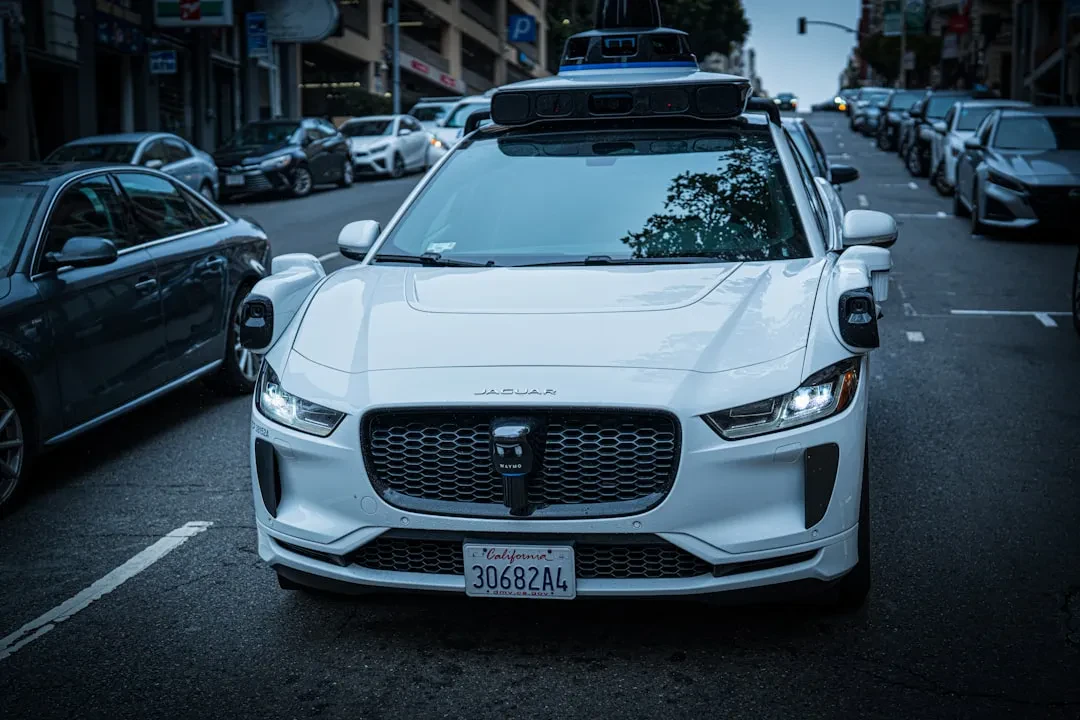
A burglar in San Francisco used a Waymo robotaxi to steal yoga clothes and got away, raising questions about data privacy and security. On the same day, Waymo announced a deal with B2U Storage Solutions to repurpose spent robotaxi batteries for grid storage, marking a step toward circular economy in autonomous mobility.
Robotaxi Heist: Privacy and Safety Concerns
According to TechCrunch, the incident occurred when an individual boarded a driverless Waymo vehicle to commit theft. The robotaxi captured footage, but the perpetrator escaped. This event sheds light on how Waymo handles and stores the video data recorded by its fleet. As autonomous rides become more common, such episodes could prompt stricter regulations on data retention and cybersecurity protocols for self-driving cars.
Spent Batteries Get a Second Life
In a separate development, Waymo partnered with B2U Storage Solutions to repurpose lithium-ion batteries removed from its robotaxis as stationary energy storage systems. This initiative reduces electronic waste and supports grid stability, aligning with broader tech industry sustainability goals. Companies like Uber, which recently deployed 500 data-collection vehicles for autonomous driving, may follow a similar path.
San Francisco continues to serve as a testing ground for autonomous vehicle innovation. Balancing public trust, data governance, and environmental responsibility will determine Waymo's long-term success. The burglary case highlights vulnerabilities, while the battery deal shows a commitment to resource efficiency and renewable energy integration.
Sponsored Protocol