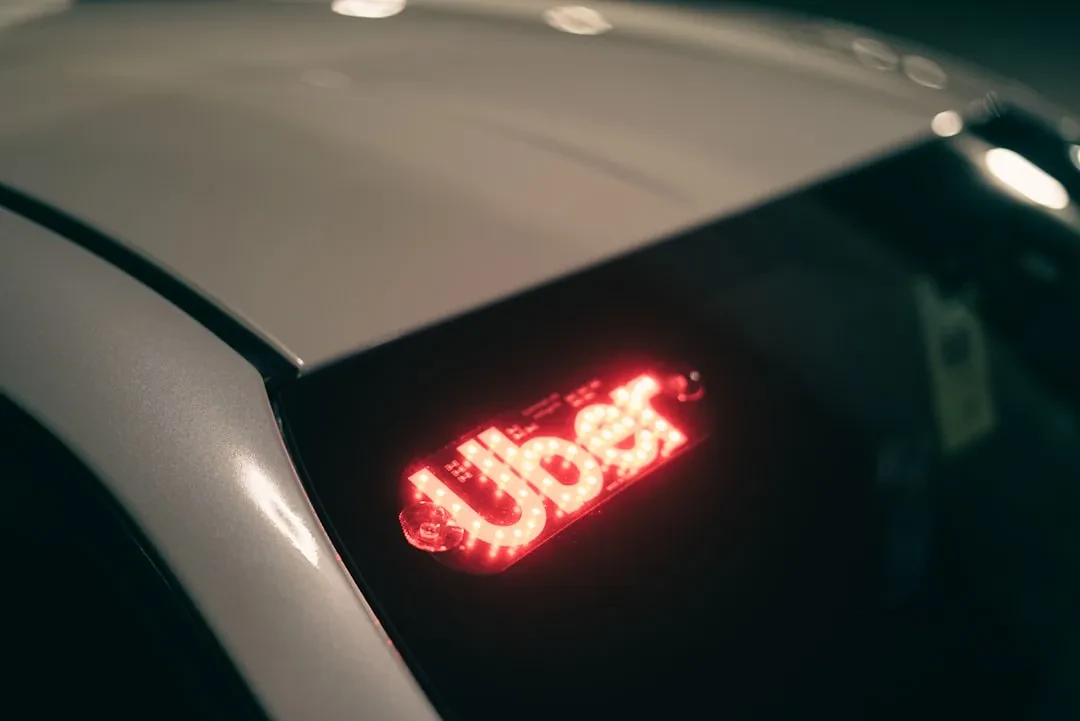
Uber announced plans to put 500 modified Ioniq 5 vehicles on the road this year to capture data for its new AV Labs division. The fleet, packed with sensors, will gather real-world driving scenarios to train self-driving algorithms. This move positions Uber to challenge leaders like Waymo and Tesla in the autonomous vehicle race.
Why this matters
The autonomous driving industry is at a critical juncture, with data being the most valuable asset. Uber's 500-vehicle fleet can generate an unprecedented volume and variety of training data, covering edge cases from urban intersections to adverse weather. The key insight is that data quality and diversity are more important than raw mileage when it comes to building a safe autonomous system. This deployment signals Uber's long-term commitment to the technology after years of pivots.
Concrete implications
If successful, Uber could roll out robotaxi services in more cities, reducing costs and improving safety. However, data privacy regulations in Europe and elsewhere may pose challenges. An article from our network on AI Lawsuits and Virtual Power Plants highlights how regulatory frameworks lag behind technological ambition. The race is now on to convert raw data into a production-ready autonomous system before competitors widen the gap.
Sponsored Protocol